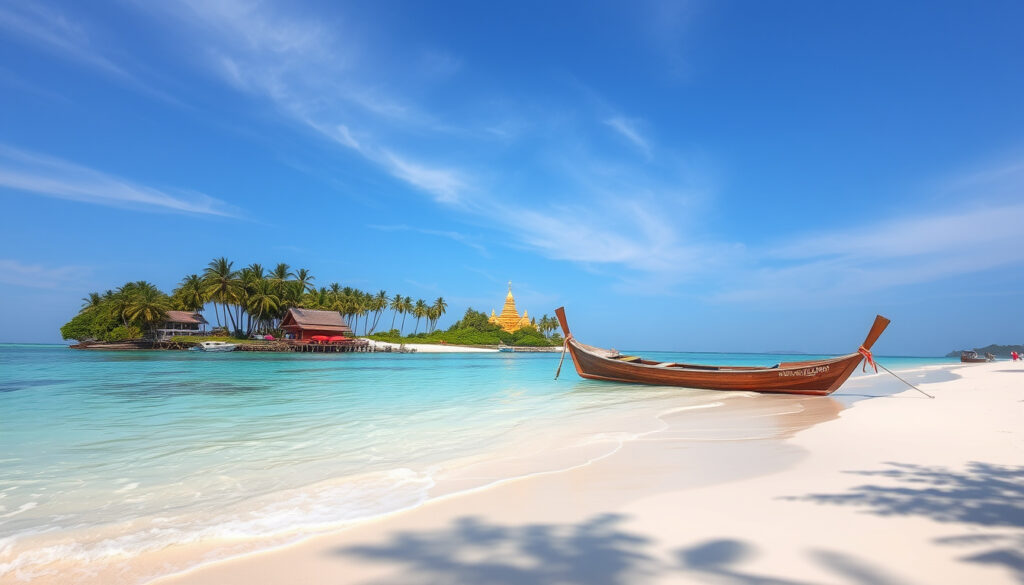
Things to Do in Thailand: Attractions, Costs & Tips
There’s a reason Thailand remains one of the most-visited countries in Southeast Asia: it blends ancient temples, tropical beaches, and sizzling street food at prices that fit almost any budget. In 2026, the country’s tourism authority aims to welcome 36.7 million international visitors while steering the industry toward cultural depth rather than sheer volume.
Annual tourist arrivals (2023): 28 million · Approximate daily budget for mid-range traveler: 1,500–2,500 THB · Number of UNESCO World Heritage sites: 4 · Currency used: Thai Baht (THB) · Ideal trip duration for first-time visitors: 10–14 days
Quick snapshot
- Grand Palace is open daily from 8:30 am to 3:30 pm (Thailand’s official government portal)
- Tap water is not potable in most regions (Machu Picchu Travel Guide, budget reference)
- Visa exemptions for 60+ nationalities for 30 days (Thailand’s official government portal)
- Exact opening hours for floating markets vary by season (Thailand’s Public Relations Department, cultural initiative)
- Current prices for flight packages may change due to fuel costs (Machu Picchu Travel Guide)
- Weather conditions during monsoon months (May–October) are unpredictable (Xinhua News Agency)
- Thailand targets 36.7 million international visitors in 2026 (Thailand’s official government portal)
- Ministry of Tourism allocated 4.5 billion baht for 22 strategic initiatives in 2025–2026 (Xinhua News Agency)
- 154 Creative Courtyards planned, one in each district (Thailand’s Public Relations Department)
- Ten Model Cultural Communities will launch with hands-on tourism at national museums (Thailand’s Public Relations Department)
- ‘Unseen Thai Thai’ survey of lesser-known cultural practices underway (Thailand’s Public Relations Department)
- Summer Festivals expected to generate 3.5 trillion baht in tourism revenue (Thailand’s Public Relations Department, Summer Festivals program)
Six key facts that set the stage for planning your trip:
| Capital city | Bangkok |
| Official language | Thai |
| Best time to visit | November to February |
| Time zone | UTC+7 |
| Drives on the | Left |
| Emergency number | 191 (police), 1155 (tourist police) |
What are the top 5 things to do in Thailand?
Visit the Grand Palace in Bangkok
The Grand Palace is the most iconic landmark in Bangkok, a sprawling complex of ornate buildings that served as the official residence of Thai kings. Open daily from 8:30 am to 3:30 pm, the palace grounds include Wat Phra Kaew, home to the Emerald Buddha (Thailand’s official government portal). Dress modestly — covered shoulders and knees are mandatory.
Arrive before 9 am to beat the tour groups and the midday heat. The entry fee of 500 THB grants access to the entire complex, including the Queen Sirikit Museum of Textiles.
Explore the ancient city of Ayutthaya
A UNESCO World Heritage site since 1991, Ayutthaya is a former Siamese capital dotted with temple ruins and Buddha statues. A day trip from Bangkok by train costs under 50 THB one way (Thailand’s official government portal). Rent a bicycle at the train station to cover the park’s 50‑kilometer loop.
Relax on the beaches of Phuket and Krabi
Phuket alone boasts more than 30 beaches, from the lively Patong to the quieter Kata Noi. Across the bay, Krabi’s Railay Beach offers limestone cliffs and turquoise water. A speedboat tour to the Phi Phi Islands — featured in the film The Beach — is a classic day trip (Thailand’s official government portal).
Phuket’s popularity means higher prices and crowds during high season (November–February). For a quieter beach break, head to Koh Lanta or the lesser-known Koh Ngai, where bungalows start at 600 THB per night.
Experience the night markets and street food
Thailand night markets offer authentic local food — think pad thai, mango sticky rice, and skewered meats — alongside handicrafts and clothing. Bangkok’s Chatuchak weekend market has over 15,000 stalls (Thailand’s official government portal). In Chiang Mai, the weekend walking streets transform into food bazaars.
Take a cooking class in Chiang Mai
Chiang Mai cooking classes are among the best in Southeast Asia, often starting with a visit to a local market to source ingredients. A half‑day class costs around 1,000–1,500 THB and teaches dishes like khao soi and green curry (Machu Picchu Travel Guide). Many classes are run by family‑owned cooking schools.
What should you not miss in Thailand?
Floating markets of Damnoen Saduak
Damnoen Saduak floating market operates from 7 am to noon daily, with vendors selling fruits, souvenirs, and noodle soups from boats. To avoid crowds, go on a weekday and arrive before 8 am (Thailand’s Public Relations Department, cultural initiative). A Bangkok‑based travel guide author advises: “The best window is 7‑9 am, before the tourist boats cause a traffic jam on the canals.”
Elephant sanctuaries in Chiang Mai
Ethical elephant sanctuaries prioritize animal welfare over riding or shows. Look for “observation‑only” sanctuaries where you can feed and bathe the elephants. One reputable option is Elephant Nature Park, which rescues animals from trekking camps (Thailand’s official government portal). Day visits start around 2,500 THB.
Phi Phi Islands day trip
The Phi Phi Islands were immortalized by the film The Beach. A day trip from Phuket or Krabi costs approximately 1,200–1,800 THB, including speedboat transfer, lunch, and snorkeling stops. Maya Bay has reopened with timed entry to protect the reef (Xinhua News Agency, report on environmental measures).
Thai massage and spa experiences
Thai massage is recognized by UNESCO as intangible heritage. A one‑hour traditional massage in a local shop costs 250–400 THB. Luxury spa treatments at resorts can run 2,000–4,000 THB per session. The technique combines acupressure and assisted yoga stretches (Thailand’s Public Relations Department, Summer Festivals program).
Full moon party on Koh Phangan
The monthly full moon party on Haad Rin beach draws up to 30,000 participants. Activities include fire dancing, bucket cocktails, and non‑stop music. The event can be intense; those seeking a mellower vibe should visit during the night before or after peak hours (Machu Picchu Travel Guide).
What activities do people do in Thailand?
Snorkeling and scuba diving in Koh Tao
Koh Tao is one of the cheapest places in the world to get PADI certified. An Open Water course costs around 10,000–12,000 THB, compared to $400–$500 in Western countries. Snorkeling trips start at 500 THB and include gear (Machu Picchu Travel Guide). Visibility peaks from March to September.
Trekking in northern hill tribes
Hill tribe treks often include overnight homestays in villages of the Karen, Hmong, or Akha people. A two‑day trek from Chiang Mai costs 1,500–2,500 THB per person, covering guide, meals, and accommodation. The experience offers insight into traditional weaving, farming, and animist beliefs (Thailand’s Public Relations Department, cultural initiative).
The revenue from responsibly operated treks directly supports remote communities. The Culture Ministry’s “Unseen Thai Thai” survey is documenting these practices to ensure tourism benefits local cultures without commodifying them (Thailand’s Public Relations Department).
Muay Thai boxing matches and training
Muay Thai is the national sport of Thailand. Attend a match at Rajadamnern Stadium in Bangkok (800–2,000 THB depending on seat) or take a training session for 500–800 THB per class. Many gyms in Phuket and Chiang Mai offer weekly packages for tourists (Thailand’s official government portal).
Temple hopping in Bangkok and Chiang Rai
Wat Phra Kaew in Bangkok houses the Emerald Buddha, a jade statue regarded as the most sacred image in Thailand. In Chiang Rai, the White Temple (Wat Rong Khun) and Blue Temple (Wat Rong Suea Ten) are modern architectural wonders. Most temple entries are free or 50–100 THB (Thailand’s official government portal).
Shopping for unique souvenirs
Chatuchak weekend market in Bangkok has over 15,000 stalls selling everything from vintage clothing to handwoven silk. Chiang Mai’s Night Bazaar is excellent for wood carvings and silverware. Haggling is expected — start at half the quoted price and negotiate up (Machu Picchu Travel Guide).
How much does a Thailand trip cost?
Budget daily: 800–1,200 THB · Mid-range daily: 1,500–2,500 THB · Luxury daily: 5,000+ THB · 7‑day package from India: $500–$900 per person · $30,000 enough for: extended luxury for two
Thailand remains one of the most affordable long‑haul destinations. A budget of around 500–1,000 THB per day can cover paid experiences such as cooking classes, island day tours, national park entries, spa treatments, and cultural performances (Machu Picchu Travel Guide, budget reference). Here’s a typical cost breakdown:
| Expense | Budget (THB) | Mid-range (THB) | Luxury (THB) |
| Dorm bed / guesthouse / 4‑star hotel | 250–500 | 800–1,500 | 2,500–6,000 |
| Street food / restaurant / fine dining | 100–200 | 300–600 | 1,000–3,000 |
| Local bus / tuk‑tuk / private car | 50–150 | 200–500 | 1,000–2,000 |
| Activity (temple, market, beach) | free–100 | 300–800 | 1,500–4,000 |
The table shows that budget travelers can enjoy a wide range of experiences while keeping costs manageable.
Budget traveler daily costs
Budget travelers can spend 800–1,200 THB per day: dorm bed (250–400 THB), three street meals (200–300 THB), local transport (100 THB), and one paid activity (300 THB). Total for 10 days: 8,000–12,000 THB (~$220–$330).
Mid-range traveler daily costs
Mid-range travelers spend 1,500–2,500 THB per day: private room (800–1,500 THB), restaurant meals (400–800 THB), taxi or Grab rides (200–500 THB), and an activity or tour (500–1,000 THB). 10‑day total: 15,000–25,000 THB (~$420–$700).
Luxury traveler daily costs
Luxury travelers spend 5,000+ THB per day: resort hotel (3,000–6,000 THB), fine dining (1,000–3,000 THB), private driver or chauffeur (1,000–2,000 THB), and premium tours (1,500–4,000 THB). 10‑day total: 50,000–100,000 THB (~$1,400–$2,800).
Typical 7‑day package cost from India
7‑day tour packages from India average $500–$900 per person, including flights, accommodation, meals, and guided tours. These packages typically cover Bangkok, Pattaya, and Phuket (Xinhua News Agency, tourism budget report).
Is $30,000 enough for a Thailand trip?
$30,000 is sufficient for an extended luxury trip for two people. At a luxury budget of 10,000 THB per day per couple (about $275), $30,000 would cover 109 days — over three months of fine dining and 5‑star stays (Machu Picchu Travel Guide). Even a mid‑range couple could stretch the same amount to nearly a year.
What to avoid in Thailand
Disrespecting the monarchy
Lèse‑majesté laws make criticism of the monarchy illegal. Avoid any negative remarks about the King, Queen, or royal family in public or online. Violations can result in imprisonment (Thailand’s official government portal, legal guidelines).
Touching someone’s head
The head is considered sacred in Thai culture. Avoid patting or touching anyone’s head, including children. If you accidentally do so, apologize politely (Thailand’s Public Relations Department).
Pointing feet at Buddha images
Feet are considered the lowest body part. Never point the soles of your feet at a Buddha image, a monk, or another person. When sitting in a temple, tuck your feet behind you (Thailand’s official government portal).
Drinking tap water
Tap water is not safe for drinking in most areas. Stick to bottled or filtered water (7–15 THB per liter). Ice in restaurants is typically manufactured and safe (Machu Picchu Travel Guide).
Overpaying at tourist traps
Common scams include tuk‑tuk overcharging, gem scams, and jet ski damage claims. Always agree on a fare before getting into a tuk‑tuk, and avoid buying jewelry from street vendors. Use the Grab app for transparent pricing (Xinhua News Agency).
Unusual things to do in Thailand
Visit the Tiger Temple in Kanchanaburi
The Tiger Temple controversy led to its closure in 2016 after wildlife authorities found evidence of illegal breeding and animal mistreatment. It is no longer open to the public. Instead, visit the Kanchanaburi War Cemetery and Erawan National Park (Thailand’s official government portal).
Explore the abandoned airplane graveyard in Bangkok
An airplane graveyard in Bangkok’s Ramkhamhaeng area features discarded commercial jets, including a Boeing 747. Entry is 200–500 THB. Bring insect repellent and avoid going alone (Machu Picchu Travel Guide).
Join a monkey buffet festival in Lopburi
The monkey buffet festival takes place annually in November, where locals set out a feast of fruit and vegetables for the city’s macaques. The event is free to watch and draws photographers and curious travelers (Thailand’s Public Relations Department).
Take a night train through the countryside
Night trains between Bangkok and Chiang Mai have sleeper cabins with air conditioning and onboard dining. A second‑class sleeper costs about 800–1,200 THB. The journey takes 12–14 hours and offers views of rural Thailand at sunrise (Thailand’s official government portal).
See the world’s largest solid gold Buddha in Bangkok
The Golden Buddha at Wat Traimit weighs 5.5 tonnes and is valued at over $250 million. It is located in Bangkok’s Chinatown district. Entry to the temple is free; the museum upstairs costs 100 THB (Machu Picchu Travel Guide).
The Tiger Temple is permanently closed for ethical reasons; the airplane graveyard is on private land and access may be restricted. Always verify current opening status with local sources before visiting.
The pattern is clear: seeking the unusual requires extra legwork, but the payoff is a trip that goes beyond postcard views.
“Visitors who show respect at our temples — covering shoulders, removing shoes, keeping quiet — are always welcomed warmly. That respect is the first step to understanding our culture.”
— Tourism Authority of Thailand official, quoted in government cultural guidelines
“The best time to see the floating markets is right at opening, around 7 am. By 10 am the canal is so packed with tourist boats you can barely move.”
— Bangkok‑based travel guide author, citing personal experience
“Khao soi has become a must‑try for visitors. They come to my stall and say they saw it on YouTube. I love that they’re curious about Northern Thai food.”
— Local street food vendor in Chiang Mai, speaking about the region’s signature curry noodle soup
For travelers who enjoy budget‑conscious cultural exploration, similar experiences can be found beyond Thailand. Check out free and low‑cost activities in Rotorua, New Zealand, where geothermal parks and Māori cultural tours offer a different kind of cultural immersion. Or see free things to do in Rotorua, another destination where the emphasis is on authentic experiences that don’t cost much.
For travelers who enjoy budget‑conscious cultural exploration, similar experiences can be found beyond Thailand. Check out cheap things to do in Rotorua, New Zealand, where geothermal parks and Māori cultural tours offer a different kind of cultural immersion. Or see free things to do in Rotorua, another destination where the emphasis is on authentic experiences that don’t cost much.
thai.news, panorama-destination.com, thailandinsiderguide.com, traveltourister.com
Frequently Asked Questions
Is Thailand safe for solo female travelers?
Thailand is generally considered safe for solo female travelers, with a well-trodden tourist trail, visible police presence in tourist areas, and a culture of hospitality. However, standard precautions apply: avoid isolated areas at night, use Grab for transportation, and be cautious with drinks in nightlife settings.
Do I need a visa to visit Thailand for 2 weeks?
Citizens of over 60 countries, including the US, UK, Australia, and most European nations, receive a 30-day visa exemption upon arrival for tourism. No prior application is needed for stays of up to 30 days. Check the Thailand’s official government portal for the latest list of eligible nationalities.
What is the best time of year to visit Thailand?
The ideal period is November to February, when temperatures are lower and rainfall is minimal. The hot season (March–May) brings higher temperatures but fewer crowds. The monsoon season (May–October) offers the lowest prices but unpredictable weather, particularly on the islands.
Can I drink the tap water in Thailand?
Tap water is not potable in most regions of Thailand. Stick to bottled or filtered water, which costs 7–15 THB per liter. Ice served in restaurants is generally safe as it is manufactured from treated water.
What is the local currency and should I exchange before arrival?
The currency is the Thai Baht (THB). It is advisable to exchange a small amount of cash at your home airport for immediate expenses upon arrival. Better exchange rates are typically found at SuperRich kiosks in Bangkok or at local banks. ATMs are widely available.
What should I wear when visiting temples in Thailand?
Covered shoulders and knees are mandatory at all temples. Remove shoes before entering temple buildings. Avoid wearing see-through or tight-fitting clothing. A lightweight scarf or sarong is useful for covering up quickly.
How much does a typical Thai massage cost?
A one-hour traditional Thai massage at a local shop costs between 250–400 THB. in tourist areas or luxury spas, prices can range from 800 to 4,000 THB. Prices are generally standardized, with foot massages being slightly cheaper.
Is it okay to bargain at markets in Thailand?
Haggling is expected at street markets and with taxi/tuk-tuk drivers, but not in fixed-price stores, supermarkets, or restaurants. Start at roughly half the quoted price and negotiate politely. A smile goes a long way in negotiations.
More related posts
 Nga Manu Nature Reserve – Location, Animals & Visitor Guide
 Kennedy Good Bridge Lower Hutt: History, Traffic & Floods
 Dunedin to Christchurch Flights: Time, Airlines & Alternatives
 Barry Shepherd Taupō Police: 50 Years of Service & Insights
 How Many Episodes in Adolescence? Episode Count Guide
 St Marks Breast Centre – Private Mammogram, Costs & Services
 How to Change WiFi Password: Phone and Router Steps
 50 Pounds to NZD: Convert GBP to New Zealand Dollars